Making video titles stand out requires more than picking a heavy typeface. The advanced Anton Bold technique for cinematic video titles focuses on manipulation and context rather than just selecting a file. Viewers notice when text feels integrated with the footage instead of floating on top. This approach changes how audiences perceive production quality within the first few seconds.
What defines the advanced approach?
Standard usage involves dropping the font onto a timeline. Advanced work adjusts kerning, tracking, and layering to match the scene's mood. You might use Anton for its tall structure, but the technique lies in how you animate it. Motion designers often add subtle grain or light leaks behind the letters to blend them with the background. This prevents the text from looking like a static sticker pasted over moving images.
When should you apply this style?
High-contrast titles work best for trailers, YouTube intros, and lower thirds that need immediate readability. While you might read about durable pairing techniques for outdoor signage, screen-based text requires different handling regarding motion and glow. Physical signs need weather resistance, but video titles need temporal resistance against changing backgrounds. Use this technique when the background moves quickly or contains complex details that usually swallow thin text.
How do you handle spacing and motion?
Tracking out the letters creates a modern, cinematic feel often seen in thriller or action genres. Unlike antique inspired font pairings for vintage wedding themes, cinematic titles often demand modern cleanliness and wide spacing. Tight kerning can feel urgent, while wide tracking feels epic. Animate the opacity or scale slightly to sync with sound effects. This synchronization makes the title feel like part of the audio-visual experience rather than an afterthought.
What mistakes reduce readability?
Overusing drop shadows or strokes makes text look amateurish. Similar to professional font combinations for luxury brands, spacing dictates perceived value and clarity. A common error is choosing a background color that clashes with the font weight. Heavy fonts need breathing room. If the text touches the edge of the frame, it feels cramped. Always leave safe margins for different aspect ratios, especially for mobile viewing where edges get cropped.
Where can you find reliable references?
Studying existing film title sequences helps identify pacing and weight standards. Look at how major studios handle bold typography under motion. You can analyze open-source projects to see how layers are structured in editing software. Understanding the base geometry of the typeface helps you predict how it will distort during animation. Keep your effects subtle so the message remains the priority over the style.
What steps should you take next?
Start by testing different tracking values on a dark background. Export short clips to check readability on a phone screen. Adjust contrast until the text pops without vibrating against the footage. Save your settings as a preset for future projects to maintain consistency across your channel or portfolio.
- Set tracking to 100 or 200 for a widescreen look
- Add a subtle dark overlay behind the text layer
- Sync title appearance with a bass hit or sound cue
- Check legibility on both desktop and mobile devices
- Limit animation duration to under three seconds
 Anton Bold Font Pairings for Vintage Wedding Themes
 Anton Bold Pairing Techniques for Durable Outdoor Signage
 Expert Pairings for Luxury Brands Using Anton Bold
 Pair Anton with Roboto for Logo Design
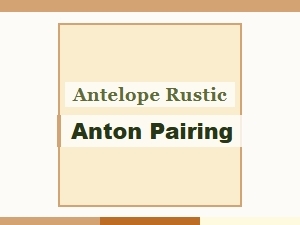 Anton and Rustic Pairing with Antelope
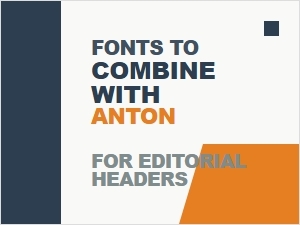 Font Pairings for Anton Editorial Headers