Planning a vintage wedding means paying close attention to the small details, especially typography. Your invitations and signage set the tone before guests even arrive. Using an antique-inspired Anton font can give your materials a bold, classic look reminiscent of old newspaper headlines or industrial signage. However, Anton is loud on its own. It needs the right partner to feel appropriate for a wedding. Finding the perfect balance ensures your stationery looks elegant rather than aggressive.
This guide focuses on how to mix this bold typeface with softer styles to fit a vintage theme. You will learn which combinations work best, where to place them, and what errors to avoid when designing your paper goods.
Why does Anton work for vintage wedding stationery?
Anton is a condensed sans-serif font that mimics the style of early 20th-century advertising. Its tall, bold letters grab attention immediately. For a vintage wedding, this creates a sense of nostalgia without looking outdated. It works well for main headlines like couple names or event dates. The structure is simple, making it easy to read from a distance on welcome signs or programs.
When you pair it correctly, the contrast between the heavy lines of Anton and a delicate script creates visual interest. This mix of strong and soft elements is a hallmark of vintage design. It allows you to highlight key information while keeping the overall feel romantic.
What fonts should you pair with Anton?
Choosing a secondary font is the most important step. Since Anton is heavy and blocky, you need something lighter to balance it. Script fonts are a popular choice because they add flow and elegance. Serif fonts also work well if you want a more traditional or literary feel.
- Script Fonts: Try a flowing calligraphy style for names or quotes. This softens the industrial edge of the headline font.
- Classic Serifs: Use a serif font for body text like venue details or directions. It improves readability on smaller cards.
- Light Sans-Serifs: A thin sans-serif can keep the look modern while maintaining the vintage structure.
When exploring specific pairing techniques for wedding themes, focus on contrast. If your headline is thick, your body text should be thin. This hierarchy guides the eye naturally through the information.
Where do these pairings look best?
Not every piece of wedding paper needs the same treatment. Anton works best where you need impact. Use it for the main header on save-the-dates or the top of a welcome sign. Reserve the pairing font for the details that require more reading time.
For example, a large welcome sign might feature the couple's surname in Anton, while the wedding date and location sit below in a lighter script. This same logic applies to menu cards. The word "Menu" can stand out in bold, while the dish descriptions remain easy to read in a serif typeface. If you aim for a high-end feel, similar to combinations used for luxury brands, keep the spacing generous and the color palette muted.
What mistakes should you avoid?
It is easy to overuse bold fonts when you want them to stand out. Using Anton for body text makes paragraphs hard to read. It can feel shouty rather than inviting. Stick to using it for short phrases or titles only.
Another common error is mixing too many styles. Limit your design to two, maybe three fonts maximum. Adding a third style often creates clutter. Also, avoid using all caps for long sentences. While Anton looks good in uppercase, it slows down reading speed when used for entire paragraphs.
The boldness of this typeface works well for impact, much like techniques used for cinematic titles, but paper requires more subtlety. Ensure there is enough white space around the text so the design can breathe.
How do you test your font choices?
Before sending files to the printer, print a sample at home. Colors and weights look different on screen than they do on cardstock. Check if the pairing font is legible at the size you intend to use. Ask a friend to read the details from a distance to ensure clarity.
You can also look at Google Fonts to see how different weights interact before committing to a purchase. Testing helps you catch contrast issues early. It saves time and money by preventing reprints.
Quick Checklist for Your Design
- Use Anton only for headlines or short emphasis text.
- Pair with a light script or serif for body copy.
- Limit your design to two main font families.
- Print a physical proof to check readability.
- Ensure there is plenty of white space around text blocks.
Start by selecting your headline font first, then find a partner that complements its weight. Keep your layout clean and let the typography do the work. With the right balance, your vintage wedding stationery will feel both classic and personal.
Try It Free Anton Bold Pairing Techniques for Durable Outdoor Signage
 Expert Pairings for Luxury Brands Using Anton Bold
 Mastering Anton Bold Pairing for Cinematic Titles
 Pair Anton with Roboto for Logo Design
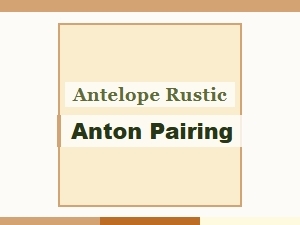 Anton and Rustic Pairing with Antelope
 Font Pairings for Anton Editorial Headers